
- A+
Introduction
Epson, a leader in the printing industry, has introduced a new feature to its printers which enables customers to reset the waste ink counter. This new feature is aimed at saving customers money and reducing the environmental impact of printing.
What is the Waste Ink Counter?
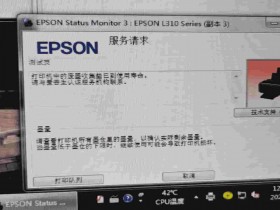
Every Epson printer has a waste ink counter which keeps track of the amount of ink used during cleaning cycles. Once the counter reaches a certain number, the printer will stop functioning and display an error message, even though there is still plenty of ink left in the cartridges. This is because the ink pads inside the printer are full and need to be replaced.
How Does the Waste Ink Reset Feature Work?
The waste ink reset feature is a software tool provided by Epson, which resets the waste ink counter to zero and allows the printer to continue functioning. This means that customers can continue to use their printers without the need to replace the ink pads, saving both money and the environment.
How Can Customers Access the Waste Ink Reset Feature?
The waste ink reset feature is available through the Epson website, where customers can download the software tool for free. Once downloaded, the tool can be run on the customer's computer, which will then reset the waste ink counter on the printer. It is important to note that this feature is only available for certain Epson printer models.
Benefits of the Waste Ink Reset Feature
The primary benefit of the waste ink reset feature is cost savings for customers. By resetting the waste ink counter, customers can avoid the expense of replacing the ink pads, which can be a costly and time-consuming process. Additionally, the waste ink reset feature reduces waste and helps to protect the environment by extending the life of the printer and reducing the amount of electronic waste that is produced.
Conclusion
Epson has shown its commitment to meeting customer needs and protecting the environment by introducing the waste ink reset feature. This feature provides customers with a cost-effective solution for maintaining their printers and extends the life of these important devices. By reducing waste and promoting sustainability, Epson is setting an example for other companies to follow.